M1: Examples of Computational Design
Description
This is the first assignment for the Spring 2024 Comptuational Fabrication course at CU Boulder.
Computational Design in Nature
Botanical World
Sunflowers
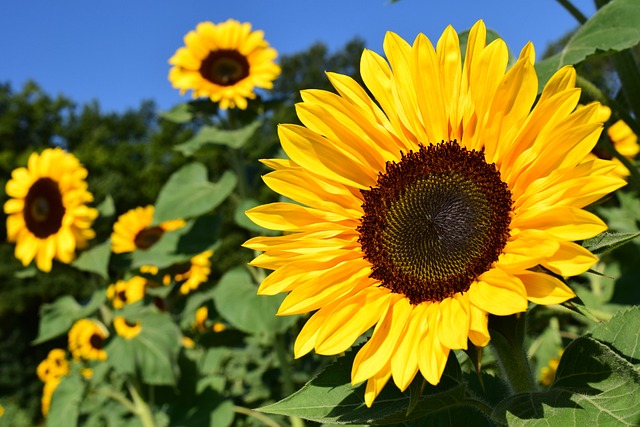 Image by Leopictures from Pixabay
The spiral center of sunflower seeds is laid out in one of the classic numerical seqences. By counting the spiral there will always be a Fibonacci number present. [1]
Image by Leopictures from Pixabay
The spiral center of sunflower seeds is laid out in one of the classic numerical seqences. By counting the spiral there will always be a Fibonacci number present. [1]
Zoological World
Octopi!
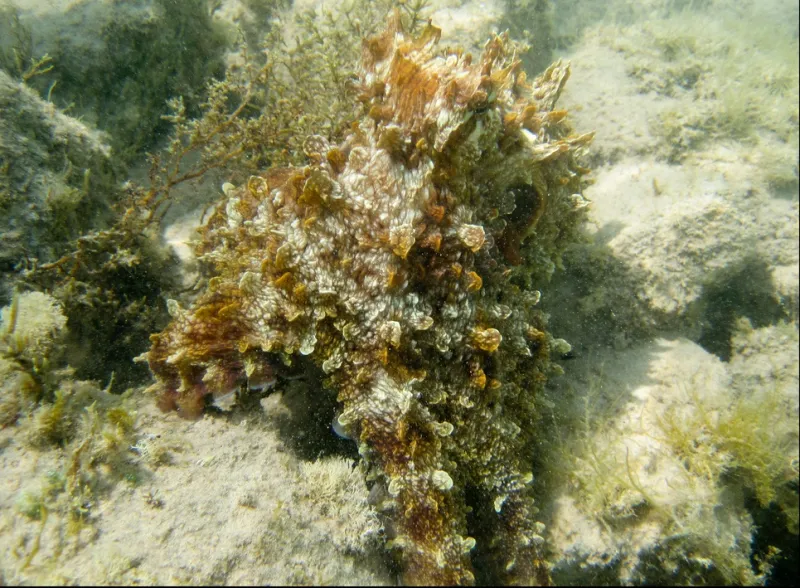 Octopi are incredible creatures that have the ability to camoflauge themselves to avoid detection by prey. They can modify their appearance to not only mimic colors, but textures as well. Additionally they may even alter their movements to further blend in. [2]
Environment
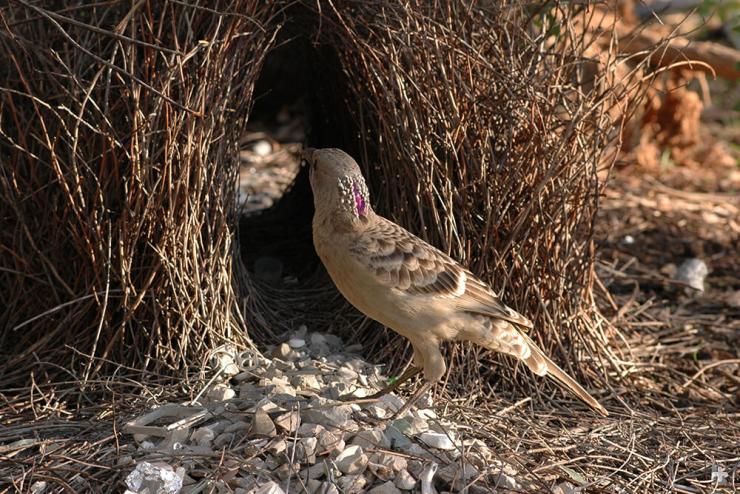 These birds (bowerbirds) build extravagant nest structures in their search for a mate – in addition to these tunnel like entries they may also find brightly colored objects or flower to attract more attention. [3]
Computational Design in the Human-Built Environment
Fair Isle Knit Designs
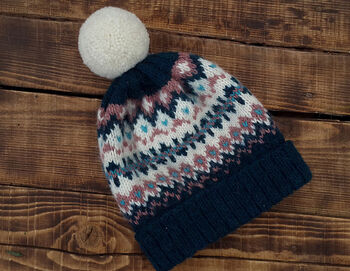 There are many examples of computational design in fabric arts - fair isle designs such as the hat above often feature bright colors in repeated patterns. [4]
Frank Lloyd Wright’s architecture
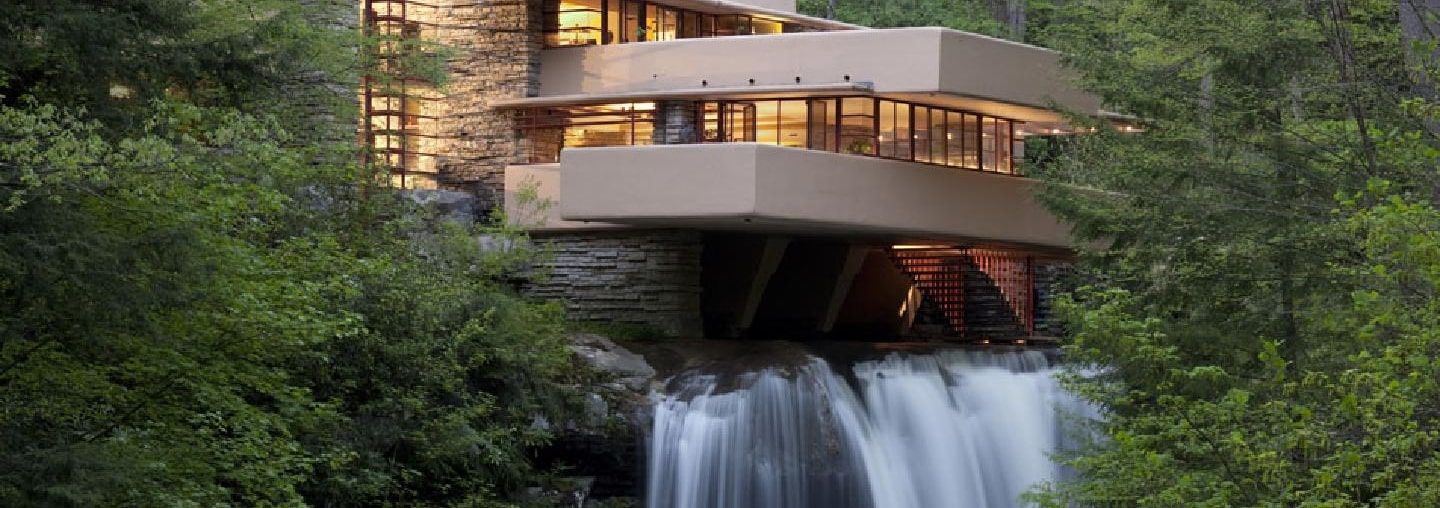 Frank Lloyd Wright’s Fallingwater masterpiece appears to have a waterfall emerging from the bottom. The home is expertly crafted to fit seamlessly into the Western Pennsylvania landscape. [5]
Yayoi Kusama’s Artwork
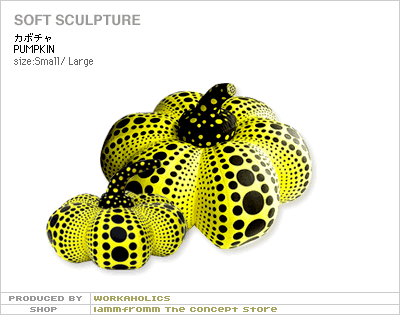 Kusama plays with repeated patterns, light, and mirrors in her spectacular Infinity Mirrors exhibit. Her work frequently features polka dot and net motifs. [6]
Researchers/Artists/Designers of Computational Fabrication
Dinara Kasko
 Dinara Kasko leverages 3D models to design and create intricate pastry designs. The style of the work is visually appealing while also being completely edible. In addition to using 3D models to create cakes, she has founded a company producing silicone molds making the creation of edible art more feasible for chefs across the world.
D-shape (Pisan Enrico Dini)
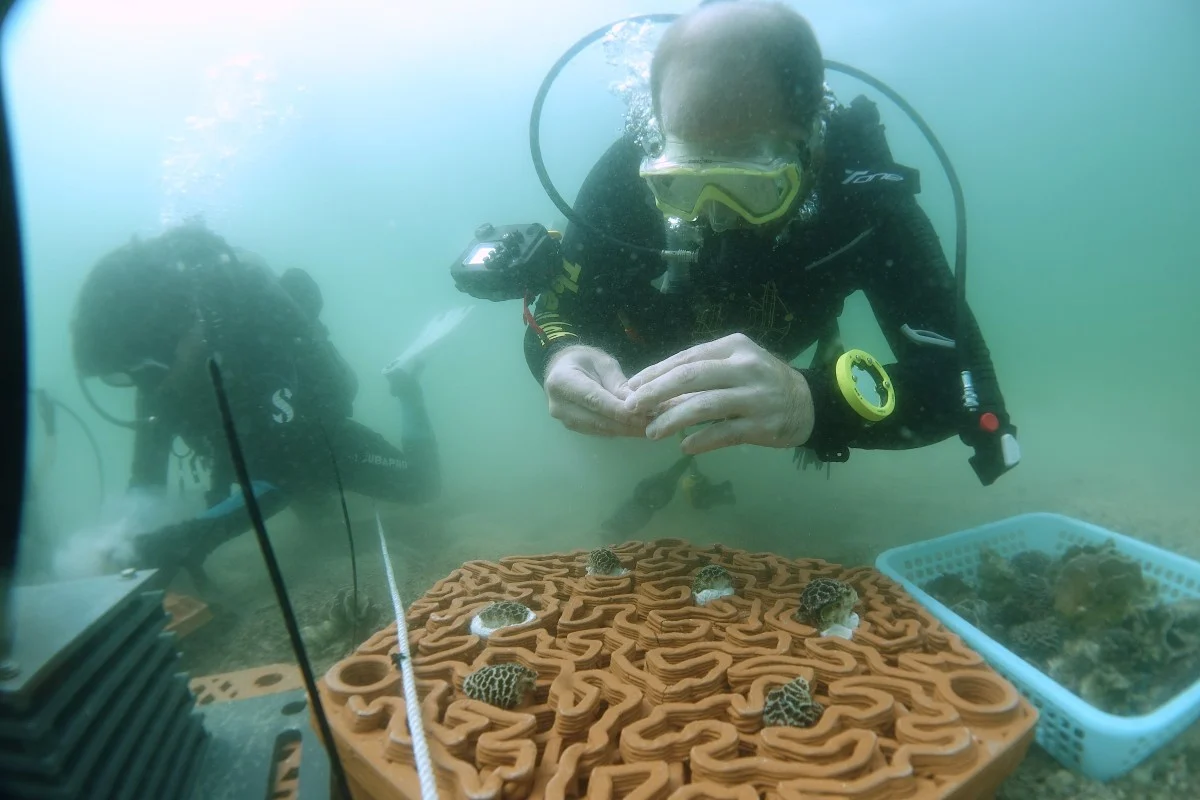 Pisan Enrico Dini is the inventor and CEO of D-shape, they produce 3D printers but focus on creating artificial reefs. His company is a prime example of engineers leveraging 3D printers to fight the negative impacts that human beings have had on the environment as a result of climate change. The picture above is from the Hong Kong Bay Conservation Project which won the 2022 Design for Asia award.
References
- Fibonacci Numbers of Sunflower Seed Spirals – National Museum of Mathematics-.https://momath.org/home/fibonacci-numbers-of-sunflower-seed-spirals/
- Fox Meyer. 2013. How Octopuses and Squids Change Color. https://ocean.si.edu/ocean-life/invertebrates/how-octopuses-and-squids-change-color
- Bowerbird. https://animals.sandiegozoo.org/animals/bowerbird.
-
- A Simplicity Fair Isle Hat. https://www.knittingpatternsgalore.com/a-simplicity-fair-isle-hat-20933.html
-
- Fallingwater. Frank Lloyd Wright Foundation. https://franklloydwright.org/site/fallingwater/
- Biography. Yayoi Kusama. http://yayoi-kusama.jp/e/biography/index.html
- Dinara Kasko. https://dinarakasko.com/.
- Pavel Toropov. 2020. Tiles to restore corals, designed and 3D printed in Hong Kong, may be key to saving the world’s threatened reefs.
- P. Madeleine. D-Shape on Using 3D Printing to Support Biodiversity in our Oceans. 2023. https://www.3dnatives.com/en/d-shape-on-using-3d-printing-to-support-biodiversity-in-our-oceans-290320236/#!